Choose My Next Small Step

Choose My Next Small Step

Back

RESET

RESET

Why does failure seem like the only thing I’m good at?

Why does failure seem like the only thing I’m good at?

Why does failure seem like the only thing I’m good at?

Why does failure seem like the only thing I’m good at?

Repeated ADHD-related setbacks and criticism can build an expectation of failure. Shame can then make the next attempt harder.

Repeated ADHD-related setbacks and criticism can build an expectation of failure. Shame can then make the next attempt harder.

Repeated ADHD-related setbacks and criticism can build an expectation of failure. Shame can then make the next attempt harder.

Repeated ADHD-related setbacks and criticism can build an expectation of failure. Shame can then make the next attempt harder.

Choose My Next Small Step

Choose My Next Small Step

Help Me Separate The Setback

Help Me Separate The Setback

Do this with me

1

1

1

Name the setback — not your identity

Name the setback — not your identity

Describe what happened without making it a statement about who you are.

2

2

2

Write one thing you did, learned or repaired

Write one thing you did, learned or repaired

Capture one piece of believable evidence that you can act, learn, or recover.

3

3

3

Choose one next action under 5 minutes

Choose one next action under 5 minutes

Make the next attempt small enough to begin without needing confidence first.

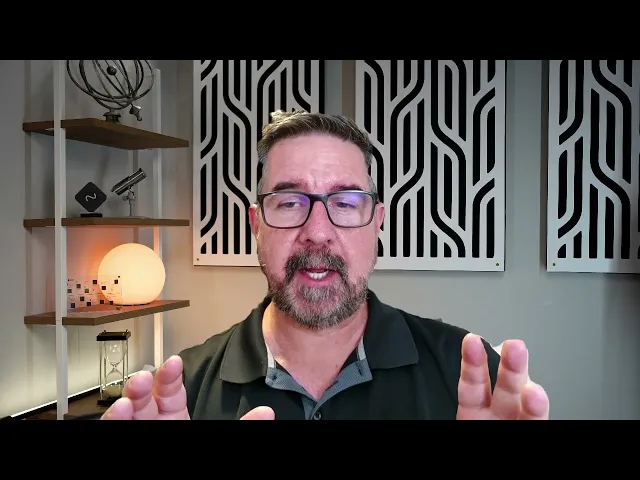
Quick PowerUp support video for you

A quick reset after a setback

A quick reset after a setback

Understand what's happening

Why does failure feel so global?

Why does failure feel so global?

Repeated lifetime criticism and disappointment may have become a global self-belief. Shame may shut down effort before it begins.

Harsh self-talk, dismissing successes, or avoiding another attempt can follow. The aim is to make the next step more believable, not to force positivity.

What helps?

  • Validate the pain without forcing positivity.

  • Separate the person from the outcome.

  • Ask, “What would make the next try 10% easier?”

Helping someone else start

Try saying

Try saying

“That setback hurts. We do not need forced positivity — let’s separate you from the outcome and choose one next step that is 10% easier.”

What helps

What helps

  • Validate the pain without forcing positivity.

  • Separate the person from the outcome.

  • Ask, “What would make the next try 10% easier?”

Avoid

Avoid

  • Turning one setback into an identity.

  • Dismissing evidence of success.

  • Making the next attempt too large to begin.

Still stuck?

Name the setback

Name the setback

Describe the problem without attaching it to your identity.

Find one evidence point

Find one evidence point

Write something you did, learned, or repaired.

Make the next step easier

Make the next step easier

Choose one next action that takes less than five minutes.

When additional help may be useful

Consider speaking with a qualified healthcare professional when these difficulties are frequent, worsening, or significantly affecting work, school, relationships, sleep, or safety. ADHD support can include medication, psychotherapy, behavioural strategies, and practical coaching. Stress, anxiety, depression, sleep problems, and other conditions can sometimes create similar difficulties.

Consider speaking with a qualified healthcare professional when these difficulties are frequent, worsening, or significantly affecting work, school, relationships, sleep, or safety. ADHD support can include medication, psychotherapy, behavioural strategies, and practical coaching. Stress, anxiety, depression, sleep problems, and other conditions can sometimes create similar difficulties.

ADHD PowerUp Cards provide educational and practical support. They do not diagnose ADHD or replace individualized medical or mental‑health care.

Back to ADHD PowerUp Cards